%2Ffit-in%2F250x250%2Fguide_websites%2F121803%2Fimages%2F1773890528272f06171df-6ce0-43bf-8044-0dddf6bfa271.png&w=1920&q=100)
/users/876d8acb-ed39-45d7-acc3-9c79337cb98f/ratecard/img_9025-mmz9m55t.jpeg)
%2F300x300%2Fusers%2F876d8acb-ed39-45d7-acc3-9c79337cb98f%2Fratecard%2Fimg_9025-mmz9m55t.jpeg&w=256&q=75)
%2F300x300%2Fusers%2F876d8acb-ed39-45d7-acc3-9c79337cb98f%2Fimages%2Fbluffton-fishing-charter-boat-2567.jpeg&w=256&q=75)
%2F300x300%2Fusers%2F876d8acb-ed39-45d7-acc3-9c79337cb98f%2Fimages%2Fbluffton-fishing-charter-boat-docked-2624.jpeg&w=256&q=75)
%2F300x300%2Fusers%2F876d8acb-ed39-45d7-acc3-9c79337cb98f%2Fimages%2Fbluffton-fishing-big-catch-2774.jpeg&w=256&q=75)
%2F300x300%2Fusers%2F876d8acb-ed39-45d7-acc3-9c79337cb98f%2Fimages%2Fspinner-shark-bluffton-fishing-tour-2683.png&w=256&q=75)
%2F300x300%2Fusers%2F876d8acb-ed39-45d7-acc3-9c79337cb98f%2Fimages%2Fmanatee-bluffton-fishing-tour-encounter-2750.jpeg&w=256&q=75)
%2F300x300%2Fusers%2F876d8acb-ed39-45d7-acc3-9c79337cb98f%2Fimages%2Ffishing-boat-trailer-launch-ready-2599.jpeg&w=256&q=75)
%2F300x300%2Fusers%2F876d8acb-ed39-45d7-acc3-9c79337cb98f%2Fimages%2Fbluffton-fishing-charter-boat-2551.jpeg&w=256&q=75)
%2F300x300%2Fusers%2F876d8acb-ed39-45d7-acc3-9c79337cb98f%2Fimages%2Fbluffton-fishing-boat-charter-ready-2641.jpeg&w=256&q=75)
%2F300x300%2Fusers%2F876d8acb-ed39-45d7-acc3-9c79337cb98f%2Fimages%2Fbluffton-sc-fishing-waters-2368.jpeg&w=256&q=75)
%2F300x300%2Fusers%2F876d8acb-ed39-45d7-acc3-9c79337cb98f%2Fimages%2Fbluffton-redfish-fishing-charter-2785.jpeg&w=256&q=75)
Half Day River Fishing Hilton Head Marsh Critter
 Hilton Head Island, SC
What you will be catching:
 Black Drum
 Redfish
 Sea Trout
 Sheepshead
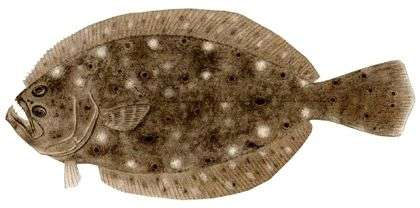
 Summer Flounder
- Join Captain James for a solid half-day fishing experience on Hilton Head's inshore waters. You'll spend 4 hours working the May and Cooper Rivers aboard his 1720 Action Craft Fly Fisher, targeting redfish, speckled trout, black drum, sheepshead, and flounder. Perfect for families or small groups of up to 4 people, this private charter gives you access to Captain James' local knowledge and proven fishing spots. Choose from morning, midday, or afternoon departures to fit your schedule. The boat handles beautifully in these protected waters, and you'll get hands-on guidance whether you're new to saltwater fishing or looking to improve your technique.
Trip Pricing and Availabilities:
Half Day Fishing Trip in Hilton Head Island, SC
Captain James knows these waters like the back of his hand, and he's ready to show you why Hilton Head's inshore fishing is some of the best the Southeast has to offer. This top-rated 4-hour adventure takes you through the May and Cooper Rivers, where the fish are plentiful and the scenery is just as good as the action. You'll be aboard the 1720 Action Craft Fly Fisher – a shallow-water machine that gets you into those tight spots where the big fish like to hide. With room for up to 4 guests, this is the perfect trip for families, couples, or a small group of friends looking to get away from the crowds and into some serious fishing.
What to Expect on the Water
Your day starts with three convenient departure times – 7:30 AM for the early birds who want to beat the heat, 12:00 PM for those who prefer a leisurely morning, or 3:30 PM to catch the afternoon bite. Captain James will have everything ready to go when you arrive, from tackle and bait to cold drinks and plenty of local knowledge. The Action Craft is built for these shallow coastal waters, drawing just inches of water so you can slip into creeks and flats that bigger boats can't touch. This is where the magic happens – those protected backwaters where redfish cruise the grass beds and trout stack up in the channels. The boat's stable platform makes it easy for anglers of all skill levels, and there's plenty of room to move around when you hook into something good.
Techniques & Tackle
Captain James runs a versatile operation, switching up techniques based on what the fish are doing and what you want to learn. Live bait fishing with shrimp is always productive here – nothing beats a frisky shrimp under a popping cork when the trout are feeding. For redfish, you might be sight casting with cut bait or working soft plastics along the marsh edges. The beauty of inshore fishing is the variety – one minute you're bouncing a jig for flounder in deeper holes, the next you're watching your drag scream as a red makes its run toward the spartina grass. All gear is provided, but if you've got a favorite rod or lure that's been good to you, feel free to bring it along. The captain's always interested in seeing what works in other waters, and sometimes that out-of-town bait or technique is exactly what these fish haven't seen before.
Species You'll Want to Hook
Redfish are the crown jewel of Hilton Head's inshore scene, and for good reason. These copper-colored bruisers grow big in these nutrient-rich waters, with fish ranging from slot-size keepers around 18-27 inches up to genuine bulls pushing 40 inches or more. Spring through fall is prime time, but even winter days can produce when the weather cooperates. Reds are sight-fishing royalty – watching one cruise the shallows with its back out of the water, then seeing it turn and eat your bait, that's what inshore fishing is all about. They're strong, stubborn, and absolutely delicious on the table.
Speckled trout are the other half of the inshore slam, and the May and Cooper Rivers hold some beautiful fish. These spotted beauties love structure – docks, oyster bars, grass edges, anywhere they can ambush baitfish. The best trout fishing typically runs from spring through early winter, with summer offering consistent action for fish in the 14-20 inch range. Bigger gator trout show up during the cooler months, and landing a 6-pound speck is something you'll remember forever. They're excellent eating and fight with surprising strength for their size.
Black drum might not win beauty contests, but they make up for it with pure pulling power. These bottom-dwellers love oyster beds and structure, using their pharyngeal teeth to crush shellfish and crabs. Spring is typically the best time to target them, especially during their spawning runs when big schools move through the area. A good black drum will test your tackle and your patience – they're notorious for their bulldogging fights and stubborn refusal to give up. Fish in the 5-15 pound range are common, with occasional giants exceeding 30 pounds.
Sheepshead are the challenge fish that keeps things interesting. These black-and-white striped convict fish have human-like teeth and a talent for stealing bait that borders on criminal. They hang around structure – docks, pilings, rock piles – anywhere they can pick off barnacles and crabs. Winter and early spring are prime sheepshead time, when they school up for spawning. Landing one requires patience, a sharp hook, and quick reflexes. They're also some of the best eating fish in these waters, with firm white meat that's perfect for the grill.
Summer flounder round out the target list, and these flatfish are masters of disguise. They bury themselves in sandy bottoms near channel edges and creek mouths, waiting to ambush passing baitfish. The technique for flounder is different – slow trolling or drifting with live bait or bucktails, working the bottom methodically. When a flounder hits, there's often just a subtle tap or the line goes slack as the fish picks up the bait and swims toward you. Summer and fall are the best months, with fish ranging from keeper-size doormats up to genuine barn doors pushing 5-8 pounds.
Time to Book Your Spot
This customer-favorite half-day trip offers everything you need for a world-class inshore fishing experience. Captain James provides the expertise, the boat, and all the tackle – you just need to show up ready to have a great time on the water. Whether you're a seasoned angler looking to explore new waters or a family wanting to introduce the kids to fishing, this trip delivers. The flexible departure times make it easy to work around your vacation
Learn more about the species
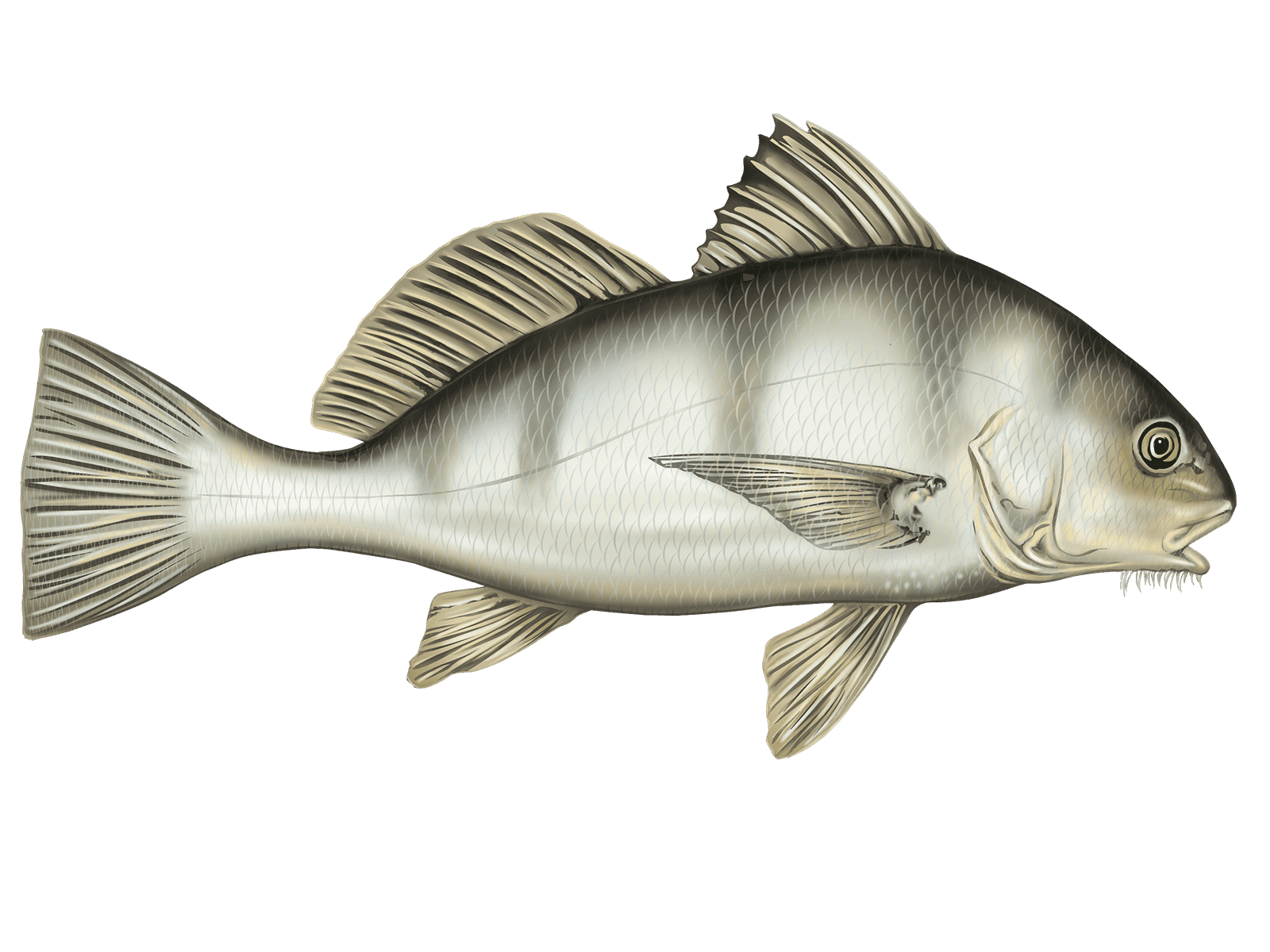
Black Drum
Black Drum are the heavyweights of our local waters, commonly running 5-30 pounds but capable of hitting 90+ pounds. These gray-black bruisers love oyster beds and muddy flats where they crush shellfish with powerful jaws. Spring is prime time when they school up for spawning - that's when you'll hear their distinctive drumming sounds underwater. They're bulldogs on the line, putting up a serious fight that'll test your gear. The smaller ones (under 15 pounds) make excellent table fare with firm, white meat. Here around Hilton Head, I like to fish them with fresh crab or clam on the bottom near structure. Pro tip: use a circle hook and keep your bait right on the bottom - they're not coming up to chase anything.
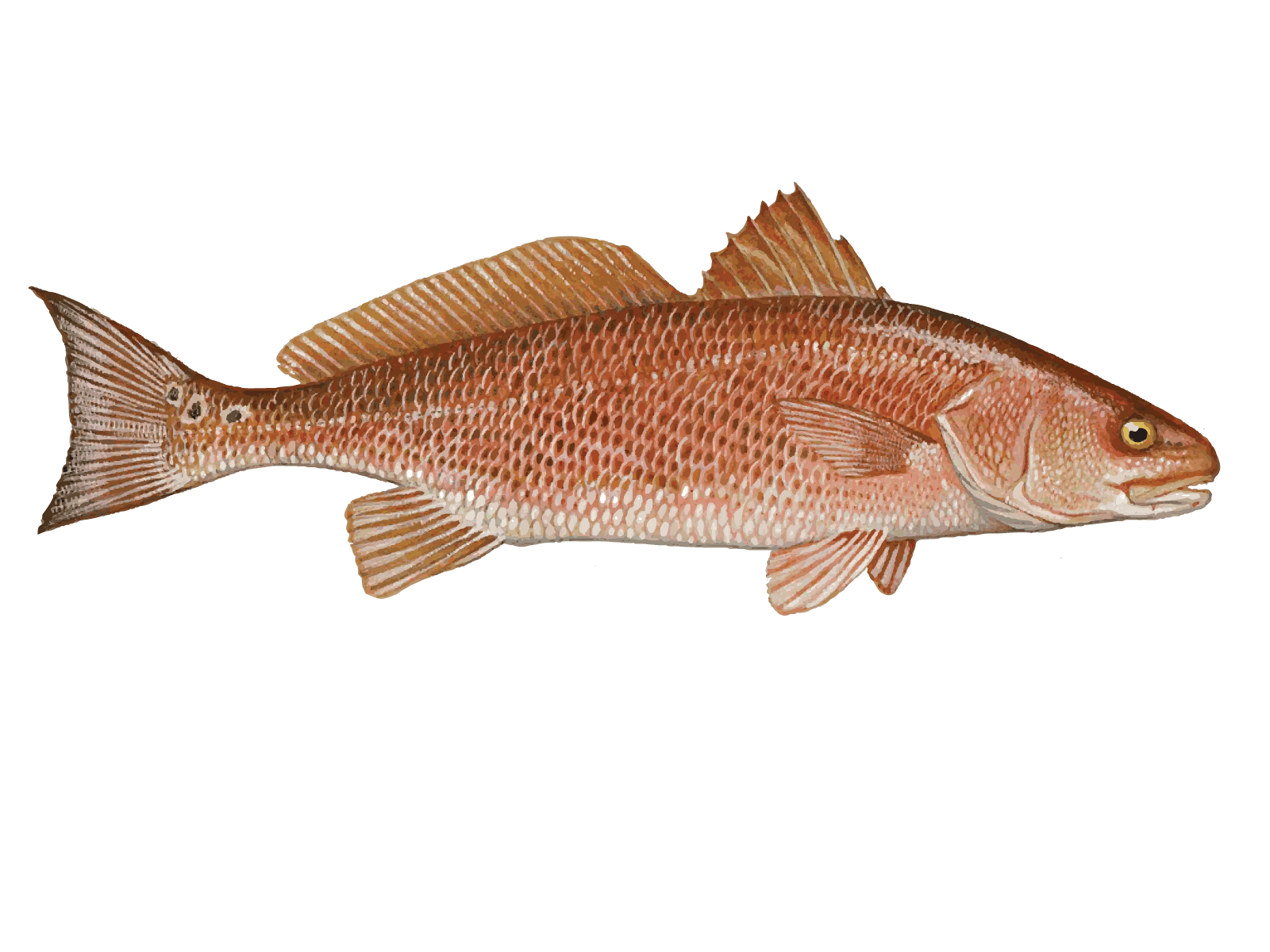
Redfish
Redfish are the crown jewel of our inshore fishing, easily identified by their copper-bronze color and that distinctive black spot near the tail. They range from small "slot" fish around 18-27 inches up to massive bull reds pushing 40+ inches and 30-50 pounds. These fish love super shallow water - sometimes so shallow their backs stick out. Look for them around oyster bars, grass flats, and creek mouths on mud bottoms. They're year-round residents but spring and fall offer the hottest action. What makes them special is their powerful runs and that explosive topwater strike when they're feeding shallow. Plus, the slot-sized ones are fantastic eating with mild, sweet meat. Here's my go-to trick: cast a gold spoon or topwater plug to tailing fish in 2-3 feet of water and work it slow - the strike will blow you away.
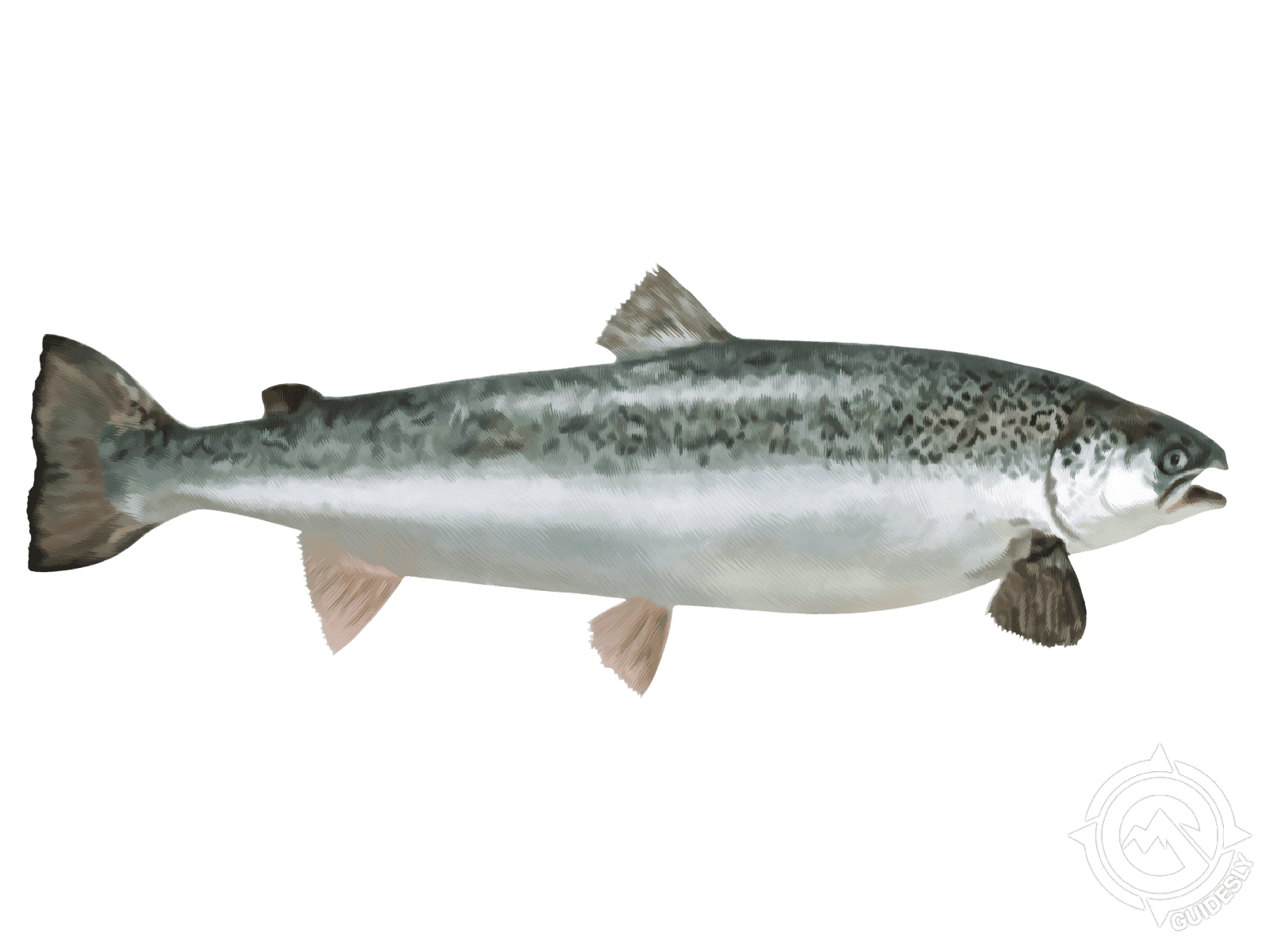
Sea Trout
Speckled Trout are beautiful fish with silver sides covered in distinctive black spots. They typically run 14-24 inches and 1-5 pounds, with their soft white meat making them a favorite at the dinner table. You'll find them over grass flats and shallow areas, especially during low light conditions at dawn and dusk. They're opportunistic feeders that love shrimp, small crabs, and baitfish. Spring through fall offers the best action, but they can be caught year-round in our waters. What guests love is their willingness to hit artificial lures and their spirited fight for their size. They're also some of the best eating fish we catch. The key is not overcooking them since the meat is delicate. Try working a shrimp-tipped jig over grass beds slowly - their bite is often subtle, so stay alert.
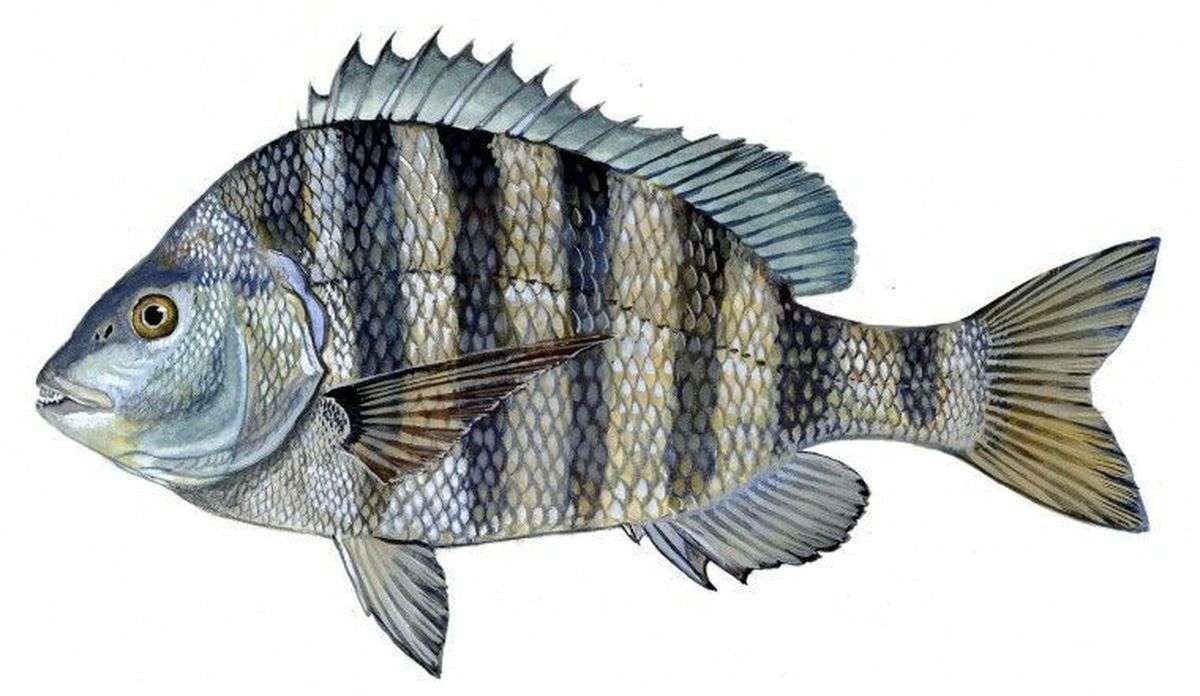
Sheepshead
Sheepshead are the "convict fish" of our waters with their distinctive black and white stripes, but what really sets them apart are those human-like teeth. Most run 1-8 pounds and 14-20 inches, though 20-pounders do show up. They hang tight around any structure - docks, bridges, oyster beds - feeding on barnacles and crabs. Early spring is prime time during their spawning run. These fish are notorious bait thieves and excellent table fare with sweet, white meat. The challenge is their light bite and quick mouth - they'll steal your bait before you know it. My secret is using fiddler crab on a small circle hook, getting as close to structure as possible. When you feel that subtle tap-tap-tap, don't wait - set the hook hard and fast or they'll be gone.
Summer Flounder
Summer Flounder are masters of disguise, lying flat on sandy bottoms with both eyes on one side of their heads. These "doormat" fish typically run 15-20 inches but can grow much larger. They're ambush predators that blend perfectly with the bottom, waiting to strike at baitfish, crabs, and shrimp. Fall months from September through November are your best bet when they're most active and feeding heavily. What makes them special is their table quality - sweet, flaky white meat that's hard to beat. They put up a decent scrap too, though it's more of a head-shaking battle than a long run. When targeting them, use live minnows or strips on a circle hook and keep your bait moving slowly along the bottom - that movement triggers their strike response.
About the 1720 Action Craft Fly Fisher
%2F%2Fusers%2F876d8acb-ed39-45d7-acc3-9c79337cb98f%2Fvehicle_picture%2Fimg_2157-mmz9b46g.jpeg&w=1920&q=75)
Vehicle Guest Capacity: 5
Manufacturer Name: Mercury
Maximum Cruising Speed: 40
Number of Engines: 1
Horsepower per Engine: 115